.jpg)
Why Renting a Bike Beats Owning One (Especially in 2026) - a look into renting a bike vs owning a bike
- PedalNinja

- Jan 23
- 3 min read
For decades, we’ve been told that owning things equals freedom. Own a car. Own a bike. Own more stuff.
But in 2026, that idea is quietly breaking down.
Across transport, entertainment, software, and even housing, access is replacing ownership. And when it comes to getting around the city, renting a bike now makes far more sense than owning one.
We break down our thoughts on renting a bike vs owning a bike.
1. Most Bikes Are Barely Used
Let’s be honest.
If you own a bike:
It probably sits in a garage, shed, or hallway
It gathers dust more than kilometres
When you do ride it, something usually needs fixing
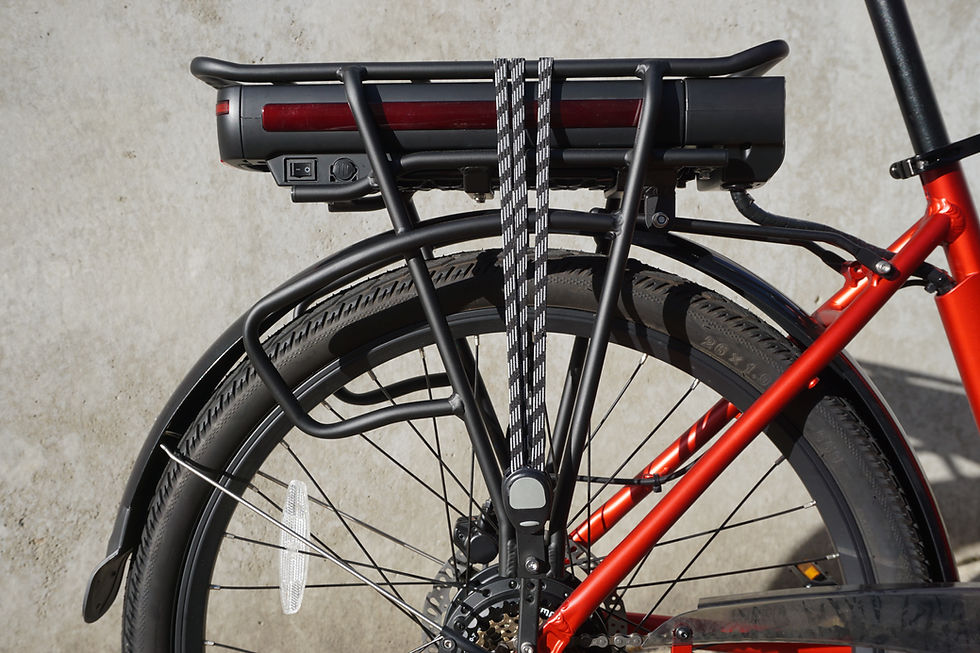
Chains rust. Tyres go flat. Batteries degrade. Gears slip.
Ownership sounds good in theory, but in reality, most bikes spend over 90% of their life parked.
Renting flips that equation. You only pay when you ride - and every ride starts with a bike that’s ready to go.
2. Ownership Comes With Hidden Costs
The price tag isn’t the real cost of owning a bike.
There’s also:
Maintenance and servicing
Replacement batteries
Storage space
Theft risk
Insurance (or stress)
Transporting it when you move
What starts as a “cheap” purchase slowly becomes a commitment.
With bike rental, those problems disappear. No repairs. No storage. No long-term obligation.
Just ride.
3. Cities Are Changing (Fast)
Cities are being redesigned for people, not cars.
More bike lanes. More shared paths. More car-free zones.
At the same time, cars are becoming:
More expensive
Harder to park
Less practical for short trips
For many city journeys, a bike is simply the fastest and easiest option. But owning one just in case no longer makes sense when bikes can be available on demand, right where you are.
That’s the real power of shared micromobility.
4. Flexibility Is the New Luxury
Ownership locks you into a single choice.
Renting gives you options.
Some days you want:
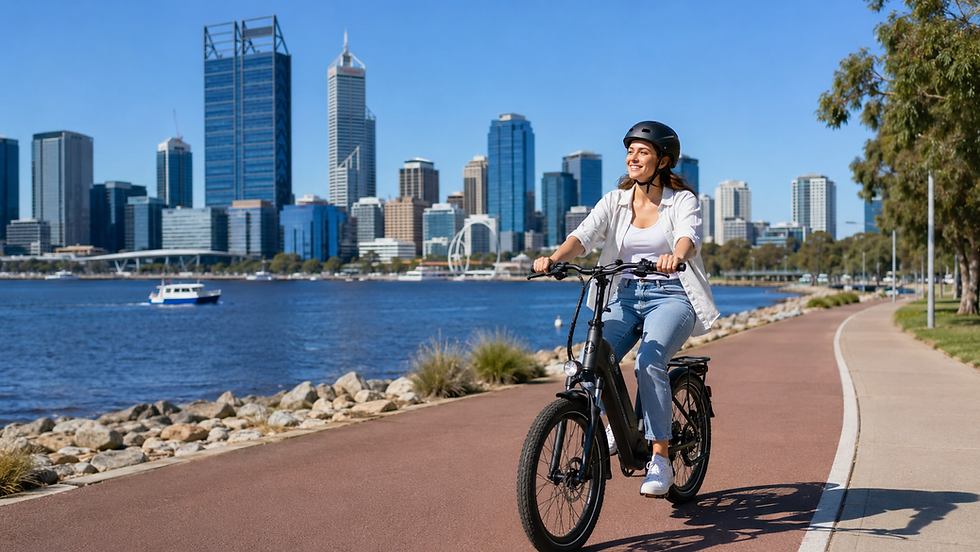
A relaxed ride along the coast
A quick commute into the city
A casual cruise to clear your head
With rental, you choose the ride that suits the moment — without being stuck with one bike for every situation.
Luxury in 2026 isn’t chrome or carbon fibre. It’s freedom from hassle.
5. Health Happens More When Riding Is Easy
Most people don’t need a new fitness plan.
They need fewer barriers.
When a bike is:
Affordable
Close by
Easy to unlock
Easy to return
People ride more.
Not because they have to - but because it fits naturally into their day.
Short rides. Fresh air. Gentle movement. That’s how healthy habits actually stick.
6. Sustainability Without the Sermon
Shared bikes mean:
Fewer bikes manufactured overall
Better utilisation of each vehicle
Lower environmental impact per kilometre
But more importantly, they make the sustainable choice the easiest choice.
No guilt. No lectures. Just better design.
7. Why We Built WEDGETAIL Bikes This Way
At WEDGETAIL, we made a deliberate decision early on:
We don’t want you to own a bike.We want you to use one.
That’s why our model focuses on:
Low daily pricing
Simple access
Reliable, well-maintained bikes
Riding for fun, health, and freedom — not obligation
Because transport should work for your life, not demand commitment from it.
The Bottom Line in the renting a bike vs owning a bike debate?
Owning made sense when access was limited.
In 2026, access is the advantage.
If you want:
Less stuff
More freedom
Fewer costs
More riding
Renting a bike isn’t a compromise.
It’s an upgrade.